Exploring the cultural narratives behind gambling practices worldwide
The Historical Roots of Gambling
The history of gambling can be traced back to ancient civilizations, where it played a significant role in various cultural rituals and social activities. In ancient China, around 2000 BC, people used keno slips to raise funds for government projects, showcasing the early intertwining of gambling with societal functions. Similarly, the Romans used dice for entertainment, and the wealthy often hosted betting events at gladiatorial games, indicating that gambling was not merely a pastime but also a reflection of status and power. Today, platforms like nightwin.me.uk continue this tradition in a modern context.
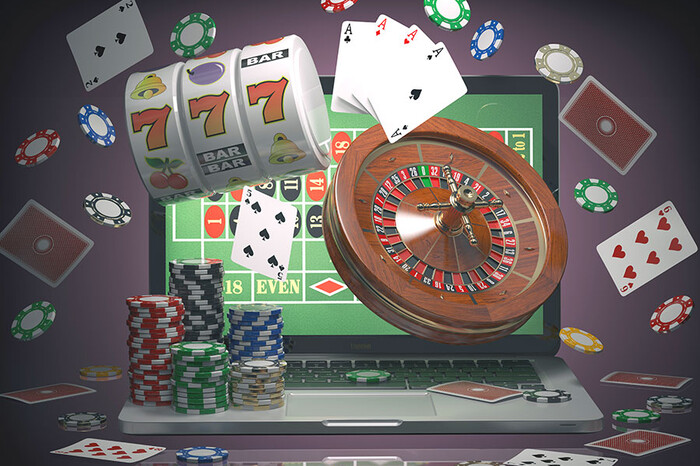
As civilizations evolved, so did their gambling practices. The Greeks introduced more structured forms of gambling, especially in sporting events like the Olympic Games. Here, betting on athletes became commonplace, and it was seen as a way to engage with the culture of competition. In many societies, gambling became an integral aspect of festivals and communal gatherings, reflecting broader social values and norms. This historical backdrop highlights how gambling has always been more than just a game of chance; it has shaped and been shaped by the cultural narratives of the time.
Over the centuries, gambling practices adapted to changing beliefs and technologies. The advent of card games in Europe during the Middle Ages and the establishment of gaming houses in the 17th and 18th centuries marked a shift toward formalized gambling establishments. This progression also reflects the societal acceptance of gambling as a legitimate form of entertainment. Understanding the historical roots of gambling allows us to see its evolution and how it mirrors the complexities of human culture and interactions across different eras.
Cultural Significance of Gambling in Different Regions
Gambling practices vary significantly across cultures, each reflecting distinct values and traditions. In many Indigenous cultures, gambling is deeply woven into the fabric of communal life. For instance, Native American tribes often engage in games that serve not only as entertainment but also as a way to strengthen community bonds and facilitate social interaction. These games are frequently linked to cultural ceremonies and reflect the tribe’s history and identity, emphasizing the role of gambling in fostering unity and collective memory.
In contrast, Asian cultures have their unique narratives around gambling, often intertwining it with spirituality and luck. The Chinese New Year, for example, features various gambling games that symbolize good fortune for the upcoming year. Similarly, games like Mahjong serve as social connectors, bringing families and friends together in a shared experience. In these contexts, gambling transcends mere financial stakes, embedding itself in the cultural psyche as a means to express hope and aspirations.
The diverse cultural narratives surrounding gambling illustrate how it serves different purposes across societies. In Western cultures, gambling is often viewed through the lens of individualism and personal choice, reflecting values of freedom and autonomy. This contrasting perspective highlights the multifaceted nature of gambling, where it can be both a communal activity and a personal pursuit, depending on the cultural backdrop. Exploring these narratives provides insight into the significance of gambling in shaping identities and social structures worldwide.
The Role of Technology in Modern Gambling Practices
Advancements in technology have revolutionized gambling practices globally, creating new avenues for engagement. The emergence of online casinos and mobile gaming apps has made gambling more accessible than ever. Players can now participate in games from the comfort of their homes, leading to a shift in how gambling is perceived socially. This digital transformation has also given rise to a new demographic of players who may not have previously engaged with traditional gambling establishments, expanding the cultural narratives around gaming.
The proliferation of online gambling platforms has also introduced a level of anonymity that changes the dynamics of play. Gamblers can interact without the social pressures often found in physical environments. This anonymity can lead to both positive and negative consequences, as it may encourage more casual engagement but also raise concerns about problem gambling. The discussions around responsible gambling have become increasingly relevant as the industry adapts to these technological innovations.
Moreover, technology facilitates the creation of immersive gaming experiences through virtual reality and augmented reality applications. These innovations enhance the sensory experience of gambling, making it more engaging and interactive. As cultural narratives evolve in response to technological advancements, understanding how these changes affect player behavior and societal attitudes toward gambling becomes essential. The interplay between technology and gambling underscores the continuous evolution of cultural narratives in response to contemporary influences.
The Social and Economic Impacts of Gambling
The impacts of gambling extend beyond individual enjoyment, influencing societal structures and economies. In many regions, gambling is a significant economic driver, contributing to job creation and tax revenue. Governments often regulate gambling establishments, recognizing their potential to boost local economies. However, this economic benefit must be balanced with the social costs associated with gambling, including addiction and family breakdowns. Policymakers face the challenge of maximizing economic gains while minimizing negative societal impacts.
Furthermore, gambling can reflect broader social issues, such as inequality and access. In many societies, marginalized communities may disproportionately engage in gambling as a means of financial relief, highlighting economic disparities. This phenomenon raises ethical questions about the responsibility of gambling operators and governments in ensuring that gambling is not exploited by vulnerable populations. Addressing these concerns requires a nuanced understanding of the social contexts surrounding gambling practices and their implications for community well-being.
The social narratives surrounding gambling also play a role in shaping public perception. In some cultures, gambling is embraced as a form of entertainment, while in others, it may be stigmatized or associated with moral decline. Media representations of gambling further influence these narratives, often emphasizing negative consequences over positive experiences. Understanding the social and economic impacts of gambling requires a holistic approach that considers both the benefits and drawbacks, fostering informed discussions about its place in society.

Nightwin Casino: A New Era in Online Gambling
As we explore the cultural narratives of gambling, platforms like Nightwin Casino represent a contemporary shift in the industry. Set to launch in 2026, Nightwin Casino aims to provide players with a safe and engaging online gaming experience. With over 3,000 games, including slots and table games from reputable providers, it seeks to cater to diverse player preferences while promoting responsible gambling practices.
Nightwin Casino’s user-friendly interface and 24/7 customer support exemplify the industry’s evolution towards enhanced player experience. By offering mobile compatibility, it recognizes the importance of accessibility, allowing players to engage in their favorite games from anywhere. Furthermore, the generous welcome bonus and ongoing promotions reflect an understanding of player value, emphasizing customer satisfaction in an increasingly competitive market.
In an era marked by rapid technological advancements and changing cultural narratives, Nightwin Casino is poised to become a prominent player in the online gambling landscape. By combining innovation with a commitment to responsible gaming, it aims to contribute positively to the evolving story of gambling worldwide. As we continue to explore the complexities of gambling practices, Nightwin Casino stands as a testament to the industry’s potential to adapt and thrive in a dynamic cultural environment.
Leave a Reply